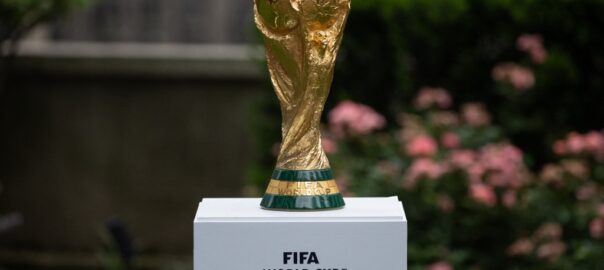
The 2026 FIFA World Cup across North America promises an unprecedented scale of competition, featuring an expanded 48-team format. The larger field introduces more variation, but the tournament’s crown remains a battle between a select group of traditional footballing superpowers. Assessing the top teams at the 2026 world cup demands looking past historical reputation and evaluating the current tactical structures, managerial stability, and squad depth these nations bring to the global stage.
As teams prepare for the group stages in the United States, Canada, and Mexico, European nations heavily dominate the early predictions. Bookmakers and football analysts align on a clear top tier, identifying Spain, France, and England as the primary contenders. Brazil and defending champion Argentina sit right behind them.
Spain: The Reigning European Benchmark
Spain enters the tournament as the consensus favorite, riding the momentum of their Euro 2024 triumph. Manager Luis de la Fuente successfully evolved the national side from a rigid possession-heavy squad into a more direct, dynamic force. The midfield pairing of Rodri and Pedri dictates the tempo. Young stars like Lamine Yamal provide immediate vertical threat on the wings.
This specific tactical system allows Spain to control matches without falling into the trap of sterile possession. They constantly threaten the penalty box, pushing their full-backs high to create overloads. For up-to-date tracking on their group stage fixtures, the official FIFA tournament hub offers a comprehensive schedule. Spain’s ability to blend experienced game managers with explosive youth makes them the most complete roster in the competition.
France: Unmatched Attacking Depth
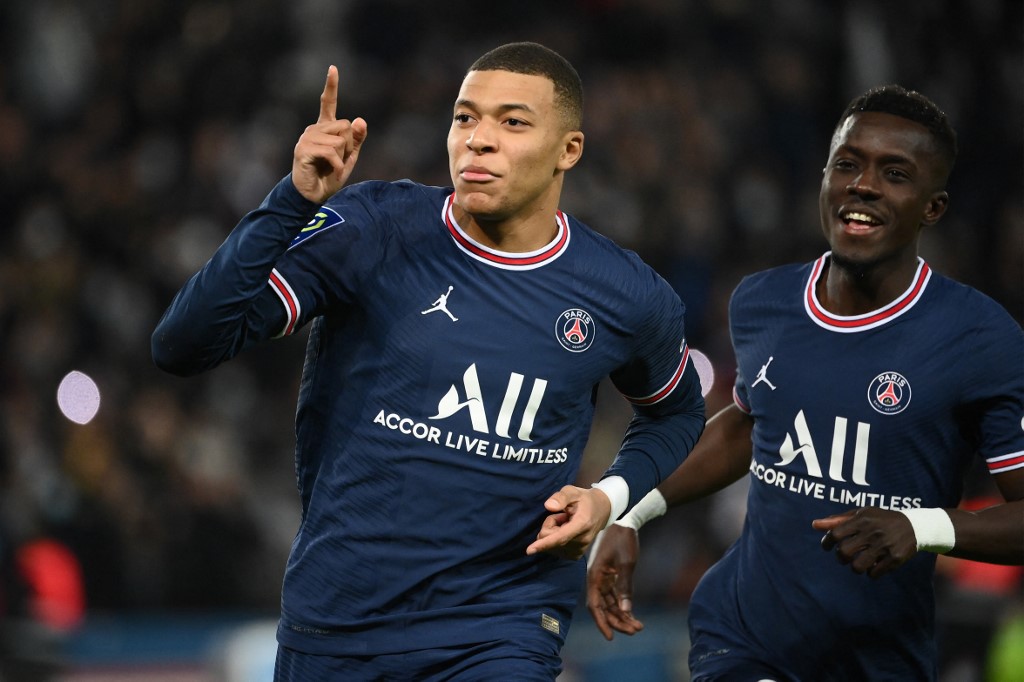
France arrives with a singular objective: reclaiming the trophy they surrendered in 2022. Didier Deschamps manages a squad possessing the deepest pool of attacking talent in global football. Kylian Mbappé remains the most terrifying transition player on the planet, supported by Ousmane Dembélé, Michael Olise, and Bradley Barcola.
France rarely relies on suffocating possession. They prefer to defend compactly and strike through rapid counter-attacks. They force opponents to overcommit, punishing high defensive lines with unmatched pace. Accumulating a massive goal difference during the group stage often comes easily to the French, allowing them to rest key starters before the grueling knockout rounds. Their physical superiority in midfield, combined with elite finishing, guarantees they remain a terrifying draw for any opponent.
England: Tactical Discipline Under New Leadership
England approaches the 2026 tournament carrying immense expectations and a new managerial philosophy. Thomas Tuchel replaced Gareth Southgate, bringing a ruthless, club-level tactical structure to the national team. England dominated their qualification group, scoring freely without conceding a single goal, signaling a firm defensive solidity.
The attacking trio of Harry Kane, Jude Bellingham, and Bukayo Saka provides elite quality in every central channel. Tuchel focuses on maximizing this talent by installing clear pressing triggers and rigid defensive shapes. Analysts at The Athletic frequently point out that Tuchel’s ability to manage high-pressure knockout scenarios addresses the exact weakness that plagued previous English campaigns.
The South American Threat: Brazil and Argentina
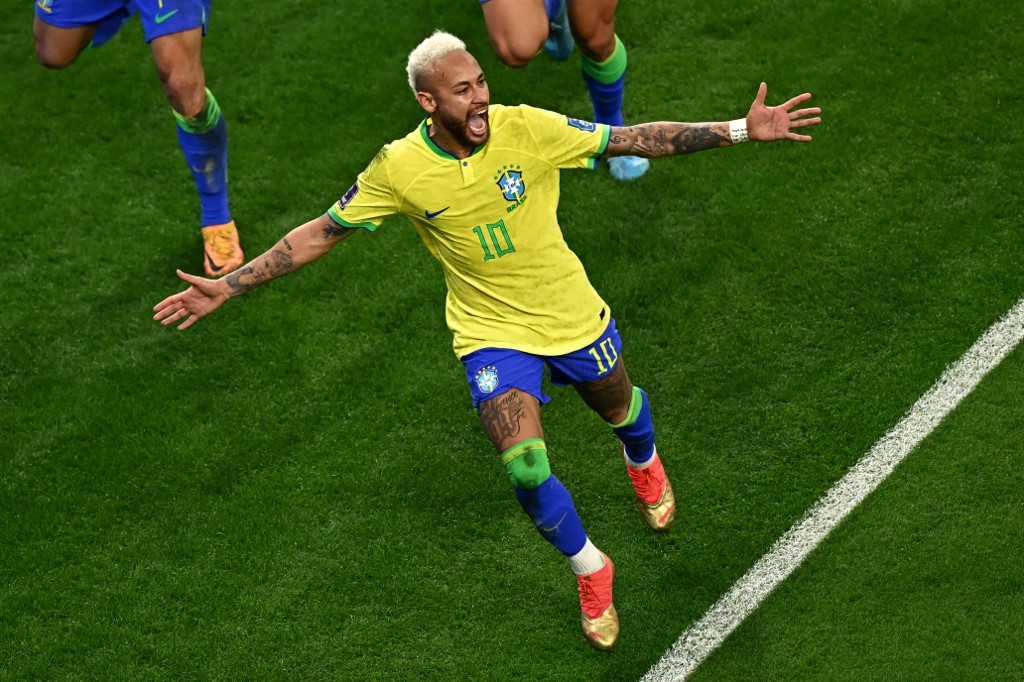
Europe produces the primary favorites, but South America’s two giants plan to disrupt the hierarchy. Brazil, now managed by Carlo Ancelotti, presents a fascinating tactical blend. Ancelotti brings European structural discipline to a squad bursting with individual flair, highlighted by Vinicius Junior and Raphinha. The focus sits on creating defensive balance to allow the forwards total freedom in the final third. Coverage from major outlets like ESPN Soccer frequently highlights Brazil’s shift toward pragmatic game management under Ancelotti.
Defending champions Argentina rely heavily on the continuity of their 2022 winning squad. Lionel Messi continues to orchestrate play, supported by the relentless finishing of Lautaro Martinez. The tension between these European and South American heavyweights echoes the intense modern football rivalries that define the club game, translating those tactical battles to the international stage.
2026 World Cup Contenders Overview
| National Team | Manager | Tactical Strength | Key Player |
| Spain | Luis de la Fuente | Dynamic possession, wide overloads | Rodri |
| France | Didier Deschamps | Rapid transitions, attacking depth | Kylian Mbappé |
| England | Thomas Tuchel | Defensive structure, central chance creation | Jude Bellingham |
| Brazil | Carlo Ancelotti | Organized defense, wing isolation | Vinicius Junior |
| Argentina | Lionel Scaloni | High pressing, central combination play | Lautaro Martinez |
As the tournament begins, the margins separating these five nations remain razor-thin. Success belongs to the squad that maintains tactical discipline through the chaotic environment of knockout football.