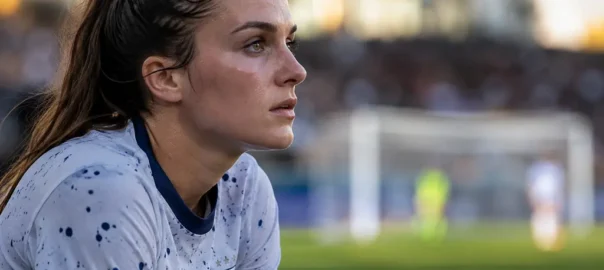
The USWNT Roster named for the October 2026 friendlies against Spain offered a useful reading of Emma Hayes’ selection priorities after a long international pause. The United States hosted Spain on October 10, 2026, at Audi Field in Washington, D.C., and again on October 13, 2026, at Subaru Park in Chester, Pennsylvania, after roughly four months without a match since June’s fixtures in Brazil, according to U.S. Soccer’s roster release.
Because those matches had already taken place by November 4, 2026, the roster is best assessed retrospectively as a camp snapshot rather than as a preview. The supplied record does not include match results, so this analysis focuses on the selection itself: the age spread, cap distribution, returning players, uncapped invitees, and the way Hayes balanced established internationals with new senior-level candidates.
Roster Context After The October Spain Friendlies
Dates, Venues, And Timing
The two-match series gave Hayes a high-profile training and selection block at a point when the national team had not played since June. The timing mattered because extended gaps between international windows can interrupt rhythm, especially for players returning from absence or trying to convert club form into national-team minutes.
The venues also placed the camp on familiar East Coast ground: Audi Field in Washington, D.C., and Subaru Park in Chester, Pennsylvania. That setting did not change the central football question. Hayes had to decide how much of the camp should be used to reinforce her known core and how much should be reserved for player identification.
Training Camp Size And New Names
Hayes named a 26-player training camp squad. Within that group were three first-time senior call-ups: goalkeeper Jordan Silkowitz, forward Trinity Byars, and forward Pietra Tordin. Midfielder Evelyn Shores entered camp as another uncapped player. That combination made the squad more than a simple veteran recall list.
The inclusion of first-time and uncapped players suggested that Hayes was still widening the player pool. In national-team terms, a training camp roster can serve two functions at once: it prepares a squad for immediate opposition and creates a record of how emerging players handle speed, information, and pressure around senior internationals.
USWNT Roster Composition And Selection Balance
USWNT Roster Experience Profile
The average number of caps on the October roster was about 37.5 per player. That figure points to a squad that was neither experimental in full nor weighted only toward long-serving players. A group with that profile usually allows a coach to run competitive sessions while still evaluating players who are not yet settled senior internationals.
The USWNT Roster therefore sat in a middle lane. Lindsey Heaps, Rose Lavelle, Mallory Swanson, Tierna Davidson, Emily Fox, and Naomi Girma provided proven senior-team reference points. Jordan Silkowitz, Trinity Byars, Pietra Tordin, and Evelyn Shores represented the developmental side of the camp.
This kind of balance is especially valuable against Spain because the margin for slow decision-making at international level is small. Even without assessing the match outcomes here, the selection itself showed Hayes testing whether younger or less-capped players could train and compete around a more experienced spine.
| Roster Area | Supported Selection Detail | Football Meaning |
|---|---|---|
| Goalkeepers | Claudia Dickey, Jordan Silkowitz, Phallon Tullis-Joyce | Low total cap count and open competition |
| Defenders | Davidson, Fox, Girma plus younger options | Blend of established starters and emerging depth |
| Midfield | Heaps, Lavelle, Yohannes, Shores among the group | Experience, creativity, and youth in one unit |
| Attack | Swanson return, Sanchez form, Byars and Tordin call-ups | Multiple routes to final-third evaluation |
Age Range And Role Competition
Lily Yohannes, a 19-year-old midfielder for OL Lyonnes, was the youngest player listed in the research record, with 20 caps and one international goal. Lindsey Heaps, at 32, was the oldest player on the roster and carried 178 caps and 40 international goals.
That age range gave Hayes different types of information. Yohannes’ profile spoke to early senior exposure and long-term midfield planning. Heaps’ presence offered leadership, tournament memory, and a high-cap reference point for how sessions and match preparation should operate.
Goalkeeper And Defensive Picture
Goalkeeper Group Had Limited Senior Caps
The goalkeeper group consisted of Claudia Dickey of Seattle Reign FC, Jordan Silkowitz of Bay FC, and Phallon Tullis-Joyce of Manchester United. The research record lists Dickey with 11 caps, Silkowitz with none, and Tullis-Joyce with seven, giving the goalkeeper pool 18 total senior caps.
That is a notably light total for one of the most scrutinized positions in international football. It does not automatically signal weakness, but it does mean every camp rep carries value. For Silkowitz, the call-up was an entry point into the senior environment. For Dickey and Tullis-Joyce, the Spain camp offered another chance to build evidence in a position group still being shaped.
Established Defenders And Younger Full-Back Options
The defensive group included several players with clear senior-team standing. Tierna Davidson entered with 70 caps and three goals. Emily Fox had 78 caps and one goal. Naomi Girma returned to the group with 54 caps and three goals after an absence. Those three gave Hayes a strong defensive base by experience alone.
Within the USWNT Roster, the younger defensive names were just as important for selection planning. Lilly Reale of Boston Legacy FC was listed with nine caps, Gisele Thompson of Angel City FC with 11, and Kennedy Wesley of San Diego Wave FC with seven caps and one goal. That group gave Hayes a view of younger defenders at different stages of senior exposure.
The Thompson family note was part of the wider story. Alyssa Thompson and Gisele Thompson were both included, and the research record identifies them as the third pair of sisters to represent the United States. Alyssa, listed with Chelsea FC, entered with 32 caps and four goals, while Gisele’s profile remained tied to Angel City FC and a developing defensive role.
Midfield And Attack Selection Questions
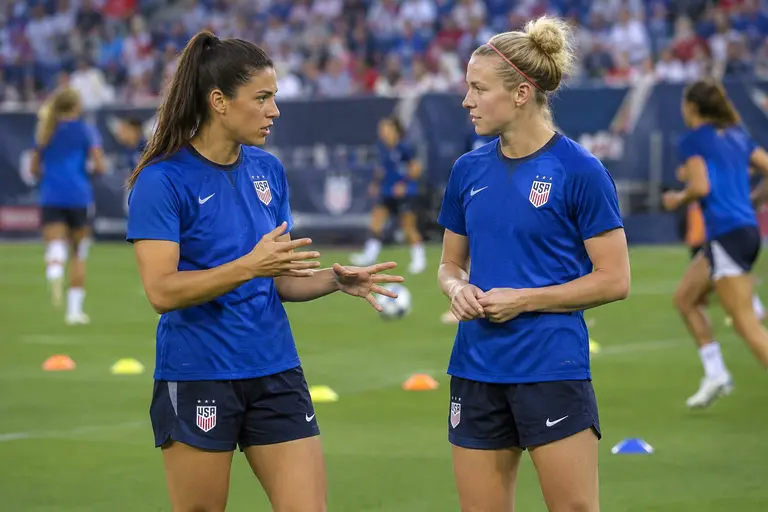
Heaps, Lavelle, And Yohannes Framed The Midfield
The midfield selection combined senior authority, creative ability, and younger technical promise. Heaps brought the largest cap total in the camp. Lavelle brought 122 caps and 29 international goals. Gotham FC’s own announcement noted that Rose Lavelle had recorded four goals and two assists in the NWSL season and that she and Davidson were named for the October matches against Spain in Gotham FC’s roster note.
Lavelle’s value has long been tied to receiving between lines, carrying the ball through midfield pressure, and changing tempo. The research record does not provide match data from the Spain games, so no firm claim can be made here about how those traits appeared across the two fixtures. The selection, though, kept a proven creative midfielder in the group while Yohannes and Shores represented younger midfield pathways.
Swanson Return And Sanchez Club Form
Mallory Swanson entered the camp with 103 caps and 38 international goals. The Spain friendlies marked her return to the national-team setting after she last played in the Olympic gold medal game in 2024, while still regaining full fitness after giving birth in late 2025. That context made her selection a significant squad-management decision rather than a routine attacking call.
Ashley Sanchez was another major storyline. The research record credits the NC Courage forward with leading the NWSL Golden Boot race on 20 goals in 26 matches, tying the league’s single-season goal record. It also lists her with 28 caps and three international goals, while noting that her last call-up came in January 2025 and that she had not played for the senior national team in a match since October 30, 2024.
Sanchez’s inclusion placed club production directly into the national-team conversation. Hayes did not need to make a permanent positional judgment based on one camp, but calling in a player in that kind of scoring form gave the staff a chance to compare domestic output with the demands of Spain-level international football.
Trinity Byars and Pietra Tordin, both first-time senior call-ups, added another layer. Their presence showed that the attacking pool was not limited to returning veterans or players with established national-team résumés. For a deeper tactical reading of the two-match block, see the related USWNT Spain tactical review.
USWNT Roster After The Spain Camp
What Can Be Read From The Selection
Judged as a USWNT Roster exercise, the October camp reflected three clear themes: goalkeeper competition remained open, the defense blended experienced internationals with younger options, and the attack included both returning stars and club-form cases.
Naomi Girma and Sam Coffey, both part of the 2024 Olympic-winning squad, were listed as returning players. Their presence mattered because national teams often rely on continuity in central positions. Girma’s return strengthened the defensive group on paper, while Coffey’s return added another known midfield option to Hayes’ planning.
The camp also showed that Hayes was prepared to reward different types of player evidence. Caps and tournament experience still counted. So did club performance, as shown by Sanchez. Youth progression counted as well, with Yohannes, Shores, Byars, Tordin, Reale, Wesley, and Gisele Thompson all fitting into the broader player-pool picture.
The supplied research does not support firm conclusions about who advanced or lost ground after the matches. What it does support is a clear reading of the selection strategy before the games were played: Hayes used the Spain window to keep a veteran core in place while expanding the number of players exposed to senior international standards.
For football readers interested in more comprehensive sports coverage, additional content is accessible through FS Golf. This site offers related perspectives within the network, extending insights into how such events shape the sport’s trends and tactics while maintaining the focus on current performances and strategies.