The United States men’s national team is entering a defining stretch. With the 2026 FIFA World Cup set to be played across the United States, Mexico, and Canada, Team USA is no longer just a young group with upside. It is now a national team under real pressure to perform on home soil. FIFA has confirmed that the 2026 tournament will be the first men’s World Cup with 48 teams, and the United States will open its tournament on June 12, 2026 against Paraguay in Los Angeles.
That context changes everything around this roster. U.S. Soccer has made clear that Mauricio Pochettino’s final 26-man World Cup squad will be announced on May 26, 2026, which means the conversation around Team USA players is no longer theoretical. It is immediate. Veterans are trying to hold their places, younger players are trying to force their way into the final group, and every camp now carries real tournament consequences.
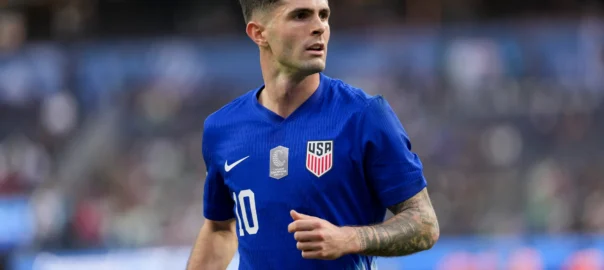
Christian Pulisic Still Sets the Standard
No player represents the modern U.S. men’s national team more clearly than Christian Pulisic. He remains the most recognizable American player, the most dangerous attacking name in the squad, and the player most capable of changing a match with one direct run or one sharp finish. For years, he carried the burden of promise. Now he carries the burden of expectation.
That shift matters. Team USA does not need Pulisic to simply be exciting. It needs him to be decisive. In a home World Cup, the Americans will need a player who can turn nervous energy into momentum, especially in matches where the pressure becomes heavy. Pulisic is expected to be that player. He is also part of the core group of 2022 World Cup veterans still central to the 2026 build.
Weston McKennie Brings Bite to the Midfield

If Pulisic supplies attacking quality, Weston McKennie brings edge and balance. He has long been one of the most important midfielders in the American setup because he does not just play one role. He can break up attacks, carry the ball forward, arrive late into dangerous spaces, and raise the team’s intensity when the game starts drifting.
Tournament football often comes down to duels, second balls, and moments of physical control in midfield. That is why McKennie remains so important. He gives the U.S. a competitive streak that cannot be measured only with goals and assists. In big matches, those players often matter as much as the headline stars. He is also one of the heavily capped returning World Cup players U.S. Soccer continues to lean on in this cycle.
Antonee Robinson Has Become a Key Piece
Over the last few years, Antonee Robinson has turned himself into one of the clearest automatic starters in the side. His value comes from his range. He can recover defensively, push high into wide areas, and help the U.S. stretch the field in transition. Modern football asks a lot from full-backs, and Robinson gives the Americans quality in one of the game’s most demanding positions.
That kind of reliability matters in a World Cup. Teams that survive deep into tournaments usually have dependable players on the flanks who can handle both defensive pressure and attacking responsibility. Robinson gives the U.S. that security, and he remains firmly in the veteran group leading this roster toward 2026.
Tim Weah Adds Pace That Changes Matches
There are players who influence games even when they do not dominate possession, and Tim Weah belongs in that category. His speed changes the way opponents defend. He can stretch the field, attack open grass, and give the U.S. a more vertical threat when the game becomes too compressed.
That quality becomes especially useful in tournament settings, where many matches are tense, physical, and tactically cautious. A player who can suddenly open the game with one run carries major value. Weah is also part of the returning 2022 World Cup core, which means he offers both experience and the sort of athletic profile the U.S. needs in transition.
The Forward Debate Could Shape the Team
One of the most important roster questions is still at striker. Team USA has options, but no single answer has completely ended the debate. That means the competition for the central role remains one of the defining storylines as Pochettino moves toward his final squad selection.
A World Cup striker does more than finish chances. He has to link with wingers, press center-backs, make smart runs, and give the team a focal point when pressure builds. The United States does not necessarily need a golden-boot favorite. It needs the right fit. That makes the center-forward battle one of the most important decisions of the entire roster process. U.S. Soccer’s recent updates continue to frame these weeks as part of the final push toward the May 26 squad announcement.
Gio Reyna Brings a Different Kind of Creativity
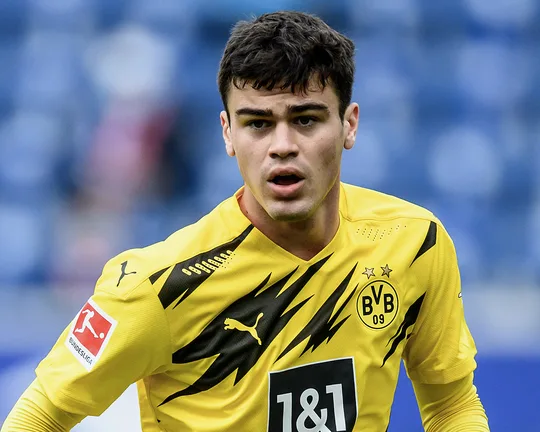
Few American players see the field quite like Gio Reyna. He gives the U.S. something different from its direct runners and hard-charging midfielders. He can slow the tempo, connect phases of play, and create in tighter areas. That profile makes him especially useful against organized defenses, where the match is less about raw pace and more about finding the right pass at the right time.
The challenge with a player like Reyna has always been fit and rhythm, not talent. If he is healthy and sharp, he changes the ceiling of the team. U.S. Soccer still places him in the experienced veteran group that is carrying much of the responsibility into this World Cup cycle.
Matt Turner’s Role Could Be Bigger Than Ever
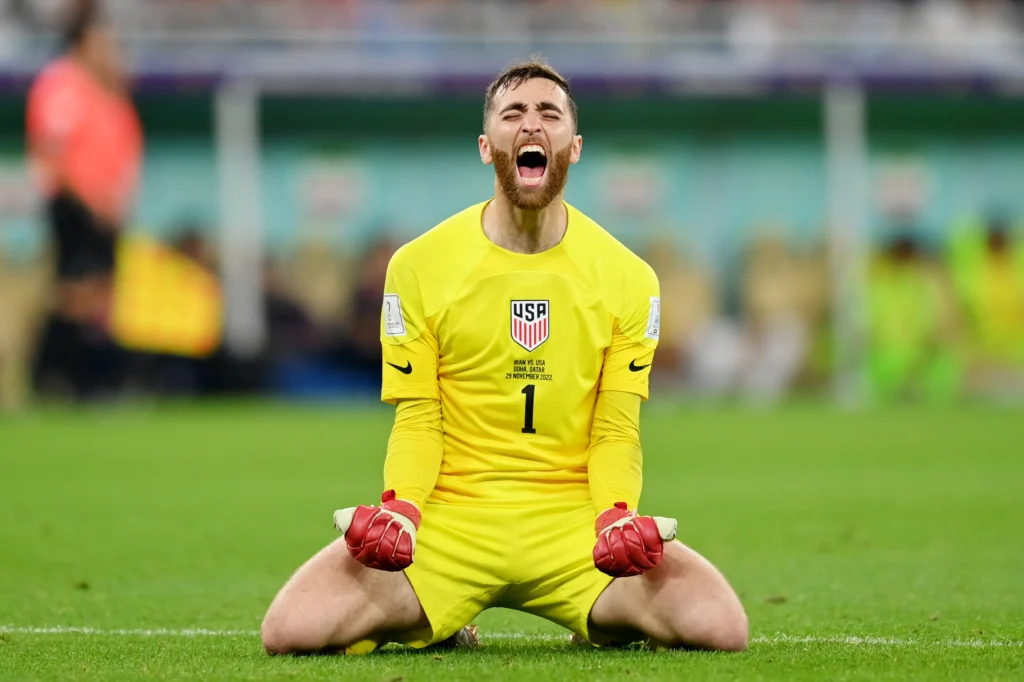
At goalkeeper, Matt Turner still looks like one of the most important players in the pool. That may not create the same headlines as the attack, but it matters just as much. The U.S. is not going to cruise through every match. There will be stretches when the back line bends, when opponents gain territory, and when the goalkeeper has to settle the moment.
That is why Turner’s experience matters. In major tournaments, goalkeepers often define the thin line between a controlled night and a collapse. A strong keeper can calm a defense, survive early pressure, and keep a team alive long enough for the attack to take over. Turner remains one of the established names in the group preparing for the home tournament.
Experience Still Matters for This Group
For all the focus on rising talent, this roster still leans heavily on players who have already seen a World Cup. U.S. Soccer recently highlighted a veteran group that includes Turner, Tim Ream, Antonee Robinson, Joe Scally, McKennie, Reyna, Cristian Roldan, Pulisic, Brenden Aaronson, and Weah, noting that eight of those returning players are among the most-capped names on the March roster.
That experience matters because a home World Cup will bring unusual pressure. These players will not just be managing opponents. They will be managing emotion, expectation, media attention, and the intensity that comes with playing a global event in front of a home crowd. The U.S. needs talent, but it also needs players who understand what tournament football feels like when every mistake is magnified.
The Roster Bubble Will Matter Too
The stars will define the headlines, but the final roster will also be shaped by the fringe players who can fill specific jobs. Every World Cup squad needs more than a best eleven. It needs tactical flexibility, energy off the bench, and players capable of handling different match states.
That is why the next stretch is so important. The players fighting for the last few spots are not just competing for depth-chart positions. They are competing to become the extra winger, the utility midfielder, the reserve full-back, or the late-game forward who changes a group-stage match. Those decisions often look minor in spring and feel major in June.
Why This Team Feels Different
This Team USA group is no longer being discussed as a distant future project. The timeline has shifted. The U.S. is hosting the World Cup, already has its opening opponent and date, and is moving toward an official roster deadline in late May.
As football grows more global and tournament structures keep evolving, the conversation around Team USA now sits inside the wider history of changing league formats and competition design.
That reality changes how every player is judged. Potential is nice, but performance matters more now. The Americans do not need to be the flashiest team in the tournament. The Americans do not need to be the flashiest team in the tournament, but they do need to be organized, sharp, and tactically prepared in the ways emphasized by the FIFA Training Centre. That starts with their core players showing up at the right time.
Pulisic has to lead. McKennie has to impose himself. Robinson has to give the team width and stability. Weah has to stretch defenses. Reyna has to create. Turner has to deliver calm when the pressure spikes. If those pieces come together, Team USA will not just be a host nation filling a bracket. It will be a team capable of making noise in its own World Cup.
Final Thoughts
When people talk about Team USA World Cup players, they are really talking about a roster at a crossroads. There is enough talent to believe in a meaningful run. There is enough experience to expect composure. There is also enough pressure to expose any weakness quickly.
That is what makes this group so compelling. It has reached the point where promise is no longer enough. The next step is proving that this generation can turn a home tournament into a real football statement, because football is ultimately judged through results, milestones, and the kind of legacy debates seen in discussions of official club records.