
Ever wonder how a fiery Scotsman with a gum-chewing habit became the godfather of modern soccer? Or how a Dutch visionary basically invented positional chess on grass? These weren’t just coaches—they were architects of destiny.
We’re exploring the origin stories of the masterminds who shaped eras. Think Sir Alex Ferguson building Manchester United into an empire with the ferocity of a medieval king. Or Rinus Michels crafting Total Football like a mad scientist rewriting physics.
Their paths from unknown whistle-blowers to legendary game-changers are epic. It’s like a superhero origin story, but with more tactical boards and fewer capes.
We’ll look at their early careers, the clubs that shaped them, and the quirks that made them icons. Because who doesn’t love a tale about Pep Guardiola’s obsession with possession?
Tactical Innovations
Football tactics are more than just diagrams on a chalkboard. They are deep ideas hidden in simple plans. Top football coaches have turned chaos into beautiful, calculated art.
Rinus Michels created Total Football, a game of constant change. Players moved freely, making it hard for opponents to keep up. It was like a jazz performance on the field.

Arrigo Sacchi’s AC Milan was a team of pressing machines. They worked together like a well-rehearsed musical. Their defense was so tight, opponents couldn’t breathe.
Pep Guardiola’s Barcelona used the ball to hypnotize opponents. They moved in patterns, controlling the game. It was like a battle of wits, with football as the tool.
Diego Simeone’s Atlético Madrid built strong defenses. They turned small leads into unbreakable walls. Simeone showed that sometimes, the best strategy is simple and effective.
| Innovation | Master Architect | Key Principle | Modern Influence |
|---|---|---|---|
| Total Football | Rinus Michels | Positional fluidity | Modern pressing triggers |
| High Pressing | Arrigo Sacchi | Collective defensive movement | Gegenpress systems |
| Tiki-Taka | Johan Cruyff/Pep Guardiola | Possession as defense | Positional play philosophy |
| Defensive Organization | Diego Simeone | Compact defensive blocks | Low-block counter strategies |
These innovations forced others to change. When a top coach finds a new way, the whole game must adapt. This is the beauty of tactical innovation.
The best strategies are clear and simple. The most brilliant ideas often seem obvious later. But it takes a visionary to see them at first.
Signature Matches
Let’s talk about moments when coaching genius went beyond tactics and became theater. These weren’t just wins – they were epic dramas played out on grass. Our football tacticians were both playwrights and heroes.
Sir Alex Ferguson’s 1999 Champions League final is unforgettable. Down 1-0 with just minutes left, most managers would give up. But Fergie didn’t. He brought on Sheringham and Solskjær, who scored in the 91st and 93rd minutes. It was like watching an opera.
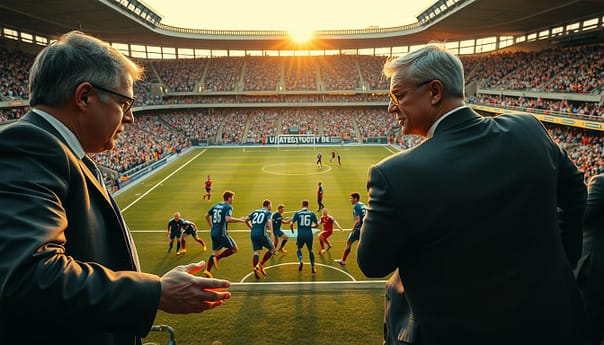
Then there’s Klopp’s 2019 Anfield miracle against Barcelona. Down 3-0 from the first leg, his team scored a 4-0 comeback. The quick start and relentless press were tactical genius. Barcelona’s players were stunned, as if they’d seen a ghost.
Pep Guardiola’s 2011 Champions League final is a masterpiece. His Barcelona side didn’t just beat Manchester United – they showed a masterclass in possession. Xavi completed more passes (148) than United’s entire midfield. It was like watching a Zen monastery.
Vicente del Bosque’s 2010 World Cup final is a peak moment in international management. Against the Netherlands’ physical play, his Spanish side kept their tiki-taka style. Even in extra time, with legs exhausted, they stuck to their plan. Iniesta’s 116th-minute winner felt like destiny.
These matches show something key about great football tacticians. They don’t just win games. They create moments that become cultural icons. This comprehensive ranking proves the best managers leave lasting legacies through unforgettable performances.
The beauty is in the variety of their victories. Ferguson’s passion, Klopp’s intensity, Guardiola’s precision, and Del Bosque’s consistency all led to immortality. Each path was unique, yet they all reached the same goal.
Legacy in Modern Football
What makes a tactical trend truly revolutionary in football? It’s the lasting impact that resonates through generations. The greatest famous football managers didn’t just win games. They set up systems that shape today’s football.
Johan Cruyff’s ideas became Barcelona’s core. His focus on keeping the ball and smart positioning didn’t fade. It evolved into Pep Guardiola’s tiki-taka style and lives on in La Masia’s graduates. The academy turns out players who carry on Cruyff’s legacy.
Sir Alex Ferguson’s impact goes beyond trophies. It’s about building a lasting dynasty. His focus on young players and leadership is a model for today’s clubs. They study his ways of managing and mentoring.
Today’s tactics often echo the classics. Jurgen Klopp’s press? It’s a modern take on Arrigo Sacchi’s style. Klopp’s approach owes a debt to 80s Milan.
Some legacies grow stronger with time. Others fade. The lessons from failures are just as important. Success without lasting change can leave clubs in a worse state.
The modern game owes a debt to these legends. Their ideas have shaped the game through generations. They’ve influenced the language of today’s top football coaches.
True legacy isn’t just about statues or renamed stadiums. It’s in the small details. The way a team starts from the back. The intensity of their press. The confidence of their young players. These are the lasting marks of football’s great minds.
Success Stories
Let’s talk trophies. Not the kind you get for showing up, but the shiny, heavy ones that show greatness. The real test of top football coaches isn’t in their press conference jokes. It’s in the trophies they win.
Carlo Ancelotti is like a Champions League vampire. He keeps winning European titles (four and counting). Younger managers try to figure out his secret. Is it his tactics, man-management, or knowing how to win?
Arsène Wenger’s 2003-04 Invincibles team is legendary. They went an entire Premier League season unbeaten. That’s not just winning; it’s rewriting the rules.
Vicente del Bosque took Spain’s golden generation and won big. Euro 2008, World Cup 2010, Euro 2012 – a triple crown. Spain became a football powerhouse under him.
Jürgen Klopp’s Liverpool won the Premier League after 30 years. That’s not just coaching; it’s emotional archaeology.
What makes winners different from “almosts”? Great coaches know trophies are won through:
- Cultural transformation – Changing more than just tactics
- Pressure management – Treating big games like Tuesday practice
- Squad alchemy – Turning expensive players into cohesive units
The numbers tell their own story. Here’s how some modern greats compare:
| Manager | Signature Achievement | Trophy Count | Years to Success |
|---|---|---|---|
| Carlo Ancelotti | 4 Champions League titles | 24 | 3 decades |
| Arsène Wenger | Invincibles season (2003-04) | 17 | 22 years |
| Vicente del Bosque | International triple (2008-2012) | 10 | 4 year peak |
| Jürgen Klopp | Ending 30-year league drought | 11 | 5 year rebuild |
These trophies aren’t just random wins. Each one shows a puzzle solved, a pressure overcome, and a team united.
The fascinating thing about success? It often comes in waves. Some top football coaches win big right away, while others build slowly. The pattern of following legends and finding success has its own rhythm, as historical analysis shows.
The greatest success stories aren’t about the trophies. They’re about the journeys, the setbacks, and the comebacks. The best managers don’t just win; they tell stories worth telling.
Getting lucky once is easy. But building a legacy? That takes genius that goes beyond tactics. That’s what makes the truly great top football coaches stand out.
What Analysts Can Learn
Ever tried to figure out a game and felt like you’re watching abstract art? The best football tacticians show us that analysis is more than just patterns. It’s about understanding people.
Carlo Ancelotti and Alex Ferguson are great examples. They made their teams into dynasties by being adaptable. Pep Guardiola and Rinus Michels showed us that innovation is a game-changer. And then there’s the art of man-management.
Bobby Robson and Jurgen Klopp built teams with heart, not just talent. So, what can modern analysts learn? Data is important, but understanding the context is key. The greatest tacticians mix stats with soul.
They know when to change their strategy and when to stick with it. It’s like playing chess with egos and adrenaline. Next time you analyze a game, remember: Are you tracking passes or reading the room? The legends did both. Now it’s your turn.