
The growth of Major League Soccer transformed the United States Men’s National Team from a program dependent on a limited group of international players into a deeper football system capable of producing talent across multiple positions. The 2026 FIFA World Cup represented the strongest evidence of this evolution, as MLS clubs became an essential source of professional experience, tactical education, and player development.
For decades, American players often needed to leave the domestic league early to access elite development environments. European clubs provided valuable opportunities, but the domestic structure lacked the depth required to consistently prepare players for international competition.
That situation changed as MLS organizations invested in academies, coaching infrastructure, scouting networks, and first-team pathways. Clubs such as FC Dallas, Philadelphia Union, LAFC, and New York Red Bulls created models that connected youth development with professional football.
The result was a larger USMNT player pool with more competition for roster positions. Instead of relying on a small group of established stars, national team coaches gained access to players developed through different environments, tactical systems, and competitive experiences.
MLS Shifted From Talent Destination To Player Development System
The perception of MLS changed significantly before the 2026 World Cup. The league was historically recognized for attracting veteran international players, but its long-term influence came from producing younger footballers capable of competing at the highest level.
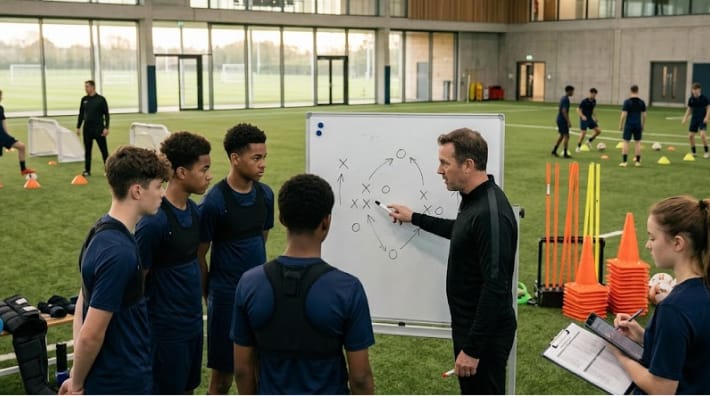
This transformation started with investment in academy structures.
MLS clubs began creating professional pathways where young players could progress from youth teams into first-team football without leaving the country. The ability to train daily in professional environments accelerated technical growth and tactical understanding.
FC Dallas became one of the strongest examples of this approach. The club developed players who later represented the United States internationally, including Weston McKennie, Ricardo Pepi, and Jesús Ferreira. Their pathway demonstrated that American clubs could produce players capable of competing in major international competitions.
Philadelphia Union followed a similar strategy, emphasizing academy promotion and first-team opportunities. The club’s approach created players comfortable with tactical responsibilities from an early stage.
The development philosophy across MLS became closer to European football models, where clubs view academies as long-term investments rather than secondary programs.
The league’s official player development initiatives show how MLS organizations increased their focus on youth systems, coaching education, and professional pathways.
Domestic Clubs Created More Options For USMNT Coaches
International tournaments are often decided by squad depth. Injuries, suspensions, fatigue, and tactical changes require coaches to have reliable alternatives.
MLS development expanded the number of players capable of entering the national team environment.
The 2026 World Cup format increased this requirement because the expanded tournament created additional matches, longer travel distances, and greater physical demands across North American venues.
| MLS Development Area | Impact On USMNT Depth |
|---|---|
| Academy systems | Produced younger players with professional preparation |
| First-team opportunities | Created players with competitive experience |
| Tactical education | Improved understanding of modern systems |
| Sports science programs | Increased physical readiness |
The importance of depth became clear because international football requires players who can contribute immediately. A substitute entering a knockout match cannot spend several games adapting to the environment.
MLS helped reduce that adjustment period by giving young players professional experience earlier.
This development model also benefited national team competition. Players competing for USMNT positions needed consistent performances at club level, creating stronger internal pressure across the roster.
The relationship between domestic leagues and national team success is widely recognized by football development organizations. FIFA technical programs emphasize structured development environments as a foundation for improving player quality and national team performance.
MLS Academies Built A More Complete Player Profile
The biggest change created by MLS academies was not simply producing more players. It was producing players with broader football education.
Modern international football requires athletes who understand multiple phases of the game. Technical ability alone is insufficient. Players must recognize pressing triggers, defensive responsibilities, positional rotations, and transition moments.
MLS academies increasingly introduced these concepts during youth development.
Young players learned:
- Tactical positioning
- Decision-making under pressure
- Collective pressing movements
- Ball progression patterns
- Defensive organization
These principles prepared players for systems used by modern national teams.
Mauricio Pochettino’s approach with the USMNT requires players who can quickly understand tactical instructions. A pressing system depends on coordinated movement, not individual effort. A possession structure depends on players recognizing spaces and timing.
MLS-developed players entered this environment with stronger tactical foundations than previous generations.
This does not mean MLS replaced European development. Instead, it created another reliable pathway where players could develop before moving abroad or competing internationally.
FC Dallas, Philadelphia Union, And LAFC Became Development Models
Certain MLS clubs became examples of how domestic organizations could influence national team development.

FC Dallas built one of the most respected youth systems in American football. The club prioritized identifying local talent and providing opportunities within its professional structure.
Philadelphia Union developed a reputation for trusting young players with meaningful minutes. Their academy-to-first-team pathway became one of the clearest examples of domestic player progression.
LAFC combined investment, scouting, and competitive ambition to create an environment capable of attracting and developing talent.
These clubs demonstrated different approaches, but they shared common principles:
- Strong youth identification
- Professional coaching environments
- Clear pathways to first-team football
- Investment in player performance
The impact reached beyond individual players. These organizations raised expectations across MLS by proving that domestic clubs could become important contributors to international football.
MLS Improved The Tactical Flexibility Of American Players
Another major contribution from MLS development was producing players capable of performing different tactical roles.

International managers value versatility because tournament squads have limited spaces. Players who can operate in multiple positions provide strategic advantages.
A modern midfielder may need to defend like a holding player, progress the ball like a playmaker, and arrive in attacking areas. A full-back may need to provide width, move into midfield, and support defensive transitions.
MLS environments increasingly prepared players for these demands.
This tactical flexibility became valuable for the USMNT because opponents often require different approaches. A match against a possession-oriented European team may require defensive discipline, while another opponent may require more attacking creativity.
A deeper player pool allowed coaches to select players based on tactical needs rather than availability.
The European Pathway Became Stronger Through MLS Development
MLS development also improved the relationship between domestic football and European opportunities.
Previously, many American players needed to move abroad very early because domestic pathways were limited. The growth of MLS allowed players to develop professionally before making international transfers.
This created more prepared players.
A footballer arriving in Europe after several MLS seasons often enters with professional experience, physical maturity, and tactical awareness.
The pathway became:
Youth academy → MLS first team → international exposure → European opportunity
This structure benefits both players and clubs. Players receive development time, while MLS organizations create transfer value and strengthen league quality.
The success of American players abroad during the 2026 cycle reflected this improved ecosystem.
MLS Development Will Shape Future USMNT Generations
The influence of MLS on the USMNT extends beyond one World Cup. The biggest achievement was creating a sustainable development structure capable of producing future generations.
The United States no longer depends on discovering isolated talents. The country now has multiple organizations actively developing players through professional systems.
The next challenge will be maintaining quality across all clubs, improving coaching standards, and continuing to expose young players to high-level competition.
The 2026 World Cup showed that MLS became more than a domestic competition. It became a foundation for national team depth, providing players with professional preparation, tactical education, and competitive experience.
The future success of American football will depend on how effectively MLS clubs continue converting young talent into international-level players. The foundation created before 2026 changed the USMNT player pool permanently, giving future coaches more options and a stronger platform for global competition.