
World Cup tournaments are usually sold through faces. Kylian Mbappé sprinting into open grass. Jude Bellingham arriving late in the box. Vinícius Júnior turning a full-back into a warning sign. Lamine Yamal playing like the future has already checked in early.
But World Cup 2026 may not be decided only by the biggest names. It may be decided by something less glamorous and much harder to capture in a poster: match flow.
That means the way a game breathes. The first 15 minutes of pressure. The slow middle spell where one side kills rhythm. The second-half moment when a manager changes the pressing height. The emotional swing after a VAR check, a yellow card, or a missed penalty. In an expanded 48-team tournament across the United States, Mexico, and Canada, the teams that manage those waves best may go deeper than the teams that simply bring the brightest stars.
For readers tracking the broader field, our guide to the top 2026 World Cup teams already shows how tactical balance separates contenders from highlight teams. Match flow is where that balance becomes visible in real time.
The Expanded Format Makes Rhythm More Complicated
World Cup 2026 introduces a larger tournament structure, with 48 teams, 12 groups, and a round of 32 before the traditional knockout layers begin. That does more than add matches. It changes the emotional architecture of the competition.

In past 32-team World Cups, group-stage urgency was often easy to understand. Win one, avoid disaster in another, survive the third. The new structure creates more paths through the tournament, especially for third-place teams, which means managers will constantly read not only the scoreboard but also goal difference, recovery time, opponent profiles, and the likely knockout route.
That is where match flow becomes strategic currency. A team leading 1-0 after 55 minutes may not chase a second goal in the same way if the group table rewards control more than risk. Another side may suddenly accelerate after a rival’s result changes the live standings. The best teams will not simply “play their football.” They will adjust tempo according to tournament math.
The World Cup is becoming less like a straight sprint and more like a multi-stage chess match played at full speed.
Star Power Still Matters, But Timing Matters More
Nobody should pretend that elite players are suddenly less important. World Cups are often remembered through individual moments: Diego Maradona in 1986, Ronaldo in 2002, Andrés Iniesta in 2010, Lionel Messi in 2022. Star power still breaks defensive plans when systems get tight.
The difference in 2026 is that stars may need to influence smaller windows. A team may dominate possession for 70 minutes and still need one diagonal run to break a low block. A winger may spend most of the match double-marked before finally getting space after a substitution changes the opposing full-back’s support. A striker may touch the ball only a handful of times but decide the rhythm by pinning two center-backs deep.
That is why match flow and star quality are not enemies. They are connected. The best managers build game states that make stars more dangerous. The best stars understand when to slow a match, when to provoke contact, when to press, and when to conserve energy for the next burst.
| Match Flow Moment | Why It Matters | Type Of Player Who Can Shift It |
|---|---|---|
| First 15 minutes | Sets territorial control and emotional tone | Press-resistant midfielder |
| Post-goal phase | Determines whether a team pushes or protects | Veteran center-back or goalkeeper |
| 55th to 70th minute | Substitutions begin reshaping space | Dynamic winger or box-to-box midfielder |
| Final 10 minutes | Fatigue opens tactical gaps | Elite finisher or set-piece specialist |
The star who wins World Cup 2026 may not be the one with the most touches. It may be the one who understands exactly when the match is tilting.
Pressing, Rest Defense, And The Hidden Battle Between Goals
Fans often watch the ball. Coaches watch the spaces around the ball. Analysts watch what happens immediately after possession changes. In World Cup 2026, that hidden layer could define the tournament.
A team’s pressing shape decides whether it can force turnovers high up the pitch or whether it gets played through too easily. Rest defense decides whether a side can attack with numbers without leaving its center-backs exposed. Counter-pressing decides whether a promising attack becomes a second attack or a dangerous transition for the opponent.
This is especially important against teams with elite forwards. France, Brazil, Argentina, Spain, Portugal, England, and other contenders all have players who can punish one disorganized moment. But the difference between “star player magic” and “avoidable defensive collapse” is often the structure behind the attack.
If a full-back overlaps without midfield cover, the match flow changes. If a defensive midfielder wins the first duel after a turnover, the pressure continues. If a center-back steps late, the whole team retreats 20 yards. These micro-events do not always make highlight reels, but they decide whether the next five minutes are controlled or chaotic.
World Cups are won in the glamorous moments, but they are protected in the invisible ones.
The Substitution Game Will Be Bigger Than Ever
Modern international football is no longer a contest between two starting elevens. It is a contest between two match plans and two benches. That matters even more in a long tournament across different climates, travel distances, and kickoff conditions.
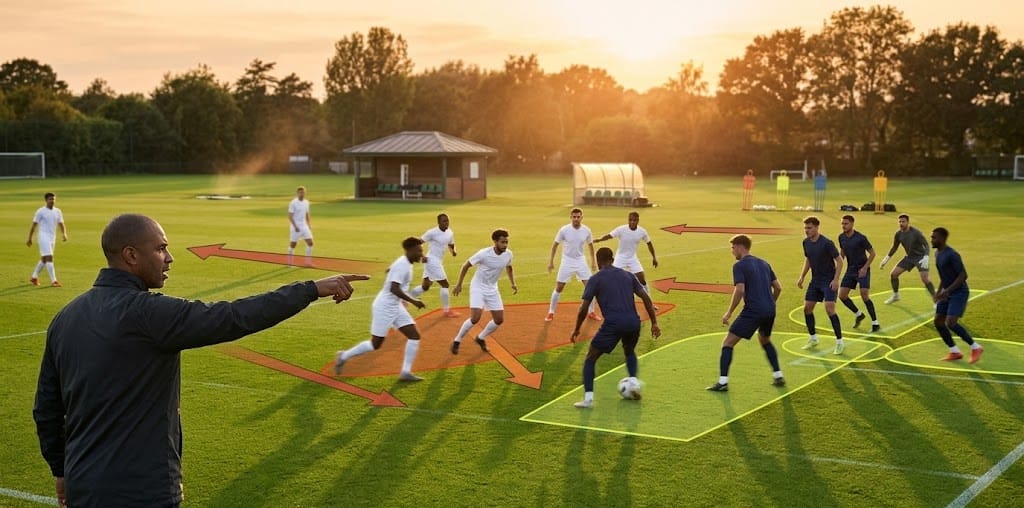
A manager’s first lineup may be designed to survive pressure, while the second-half substitutions are built to attack tired legs. A team may start with a conservative midfield triangle, then introduce a winger to stretch the pitch after the opponent’s press loses intensity. Another may bring on an extra center-back not because it is afraid, but because it wants to keep wing-backs high without losing control of transition zones.
Substitutions are not just fresh legs. They are tactical messages.
A new forward can force the defensive line deeper. A passing midfielder can calm a frantic game. A pressing striker can turn a passive block into a higher trap. A left-footed winger on the right can change the angle of every attack.
In a tournament where knockout matches may turn on extra time, managers who read flow early will have a massive advantage. Waiting until the 82nd minute to fix a problem may be too late. The best teams will sense danger before it becomes a goal.
Match Flow Will Shape The Fan Experience Too
World Cup 2026 will be watched across time zones, devices, and second screens. Supporters will not only follow goals. They will track possession swings, player heat maps, live commentary, expected goals, passing sequences, and tactical clips almost instantly.
That wider digital environment changes how fans understand the match. A 0-0 game can feel tense and intelligent when one side is controlling territory. A 2-1 game can feel unstable if the losing team is generating better chances. The scoreboard still matters most, but it no longer tells the whole story.
It also explains why the tournament will test platforms beyond the pitch. Global match traffic, live data demand, and fan reactions create pressure on streaming services, media dashboards, apps, and betting ecosystems. The wider sports industry is already preparing for that surge, with World Cup betting platform demand becoming part of the same larger conversation about real-time football attention.
For WikiApp.org readers, the football lesson is simple: if the audience is becoming more live-data aware, analysis must become more flow-aware. The best interpretation will not just ask who scored. It will ask why the match tilted before the goal arrived.
Why Underdogs Can Use Flow Better Than Fame
The expanded World Cup gives more nations a stage, and that means more tactical variety. Some underdogs will not have the technical depth to dominate possession against elite opponents. But they can still manipulate match flow.
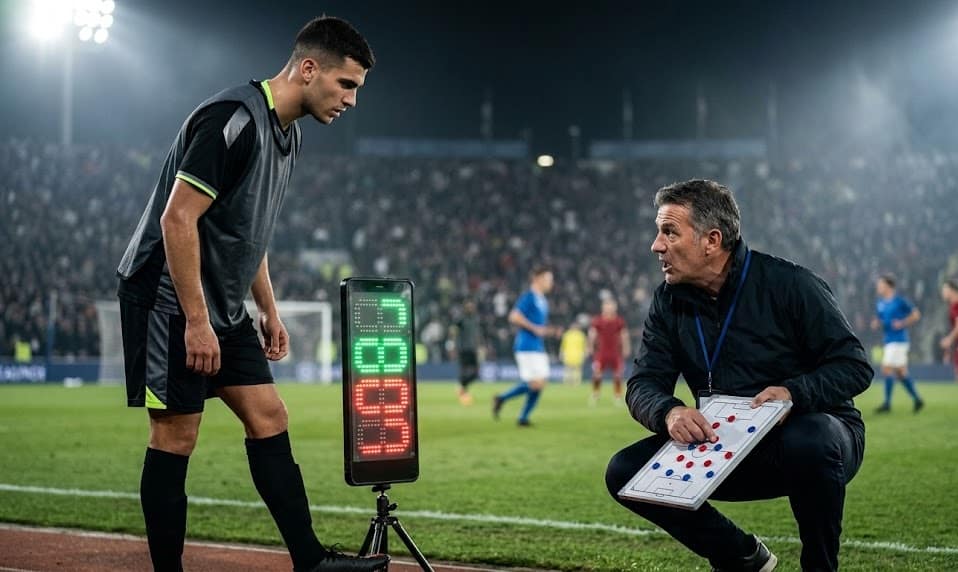
A disciplined underdog can slow tempo, compress central space, force crosses from poor angles, and turn the match into set-piece roulette. Another can press only in carefully selected moments, saving energy for targeted traps instead of chasing the ball blindly. A third can accept long spells without possession while making every transition feel dangerous.
This is where star power can become frustrated. A famous forward may spend 60 minutes surrounded by bodies. A creative midfielder may receive the ball with no forward passing lane. A favorite may become impatient, push too many players ahead of the ball, and open the transition chance the underdog was waiting for all match.
That does not mean underdogs will suddenly control the tournament. It means match flow gives them a language. They may not be able to match talent evenly, but they can change the type of game being played.
The Teams That Control The Middle Phase May Go Furthest
The opening and closing stages of matches naturally attract attention. But the middle phase may be where World Cup 2026 is truly shaped.
Between minutes 30 and 70, teams reveal whether they can sustain pressure, adapt to resistance, and avoid emotional mistakes. This is when favorites often become restless if an early goal does not arrive. It is when weaker teams decide whether to keep defending or start taking risks. It is when managers begin preparing substitutions, and players begin making small decisions based on fatigue.
The middle phase rewards teams with layered intelligence. A good team can attack. A serious contender can attack, lose the ball, recover shape, prevent counters, recycle possession, and attack again without panic.
That is why the best World Cup sides usually have more than star attackers. They have midfielders who understand rhythm, defenders who defend forward, goalkeepers comfortable with buildup, and substitutes who can change the game without breaking the structure.
| Team Quality | Basic Version | World Cup Contender Version |
| Possession | Keeps the ball | Changes tempo with purpose |
| Pressing | Chases defenders | Triggers pressure in planned zones |
| Star usage | Gives the ball to the best player | Creates the best moment for the best player |
| Defending | Protects the box | Controls transitions before danger starts |
The winner may not be the team that looks most explosive in every match. It may be the team that looks calmest when the game becomes unstable.
Reading World Cup 2026 Through Flow, Not Just Fame
World Cup 2026 will still have posters, stars, anthems, rivalries, and career-defining goals. That is part of the tournament’s magic. But the deeper story will live in rhythm.
Who controls the first wave? Who survives the opponent’s best spell? Who changes shape before the match runs away? Who keeps emotional discipline after a VAR decision? Who turns a quiet 10-minute stretch into the platform for a goal?
Those questions will matter as much as the names on the team sheet.
Star power gives a team a ceiling. Match flow decides how often that ceiling can be reached. In the biggest World Cup ever staged, the teams that understand both will be the ones still playing when the tournament stops feeling like a festival and starts feeling like a test of football intelligence.