
For over a century, the fierce animosity of football rivalries was defined almost exclusively by geography. It was about neighborhood bragging rights, religious divides, or the industrial politics of a single city. The distance between two stadiums dictated the intensity of the hatred. Today, the landscape of the sport has fundamentally shifted. While local derbies retain their historic romance, the defining rivalries of the modern era are fought across national borders, driven by tactical ideologies, and fueled by global broadcasting.
Understanding modern football rivalries requires looking past the city limits. The contemporary clashes that define league titles and Champions League campaigns are complex corporate and athletic wars. They represent contrasting philosophies on how a football club should be run and how the game itself should be played on the pitch.
From Geographical Proximity to Ideological Warfare
The traditional local derby—think Boca Juniors versus River Plate, or Celtic versus Rangers—relies on deep-seated cultural and societal divisions. However, the most consequential rivalries at the pinnacle of today’s game are often separated by hundreds of miles. The tension is no longer born from sharing a zip code, but from repeatedly clashing at the absolute summit of the sport.
Consider the recent defining era of the English Premier League between Manchester City and Liverpool. This was not a rivalry of historical regional animosity; it was a sporting cold war. It was built entirely on the relentless pursuit of perfection, where dropping even two points over a 38-game season meant surrendering the title. These teams pushed each other to unprecedented statistical heights, redefining what a successful domestic campaign looks like.
The Clash of Tactical Philosophies
Modern rivalries are frequently personified by the managers on the touchline and the specific tactical system they employ. The tension between teams is often a proxy war for differing footballing philosophies. The contrast makes the matchup compelling not just for the fans of the respective clubs, but for neutral tactical purists worldwide.
When a team rooted in heavy, suffocating possession comes up against a side built for chaotic, heavy-metal pressing or ruthless counter-attacks, the rivalry becomes an intellectual battle. It is an argument played out on grass over which method of controlling space and utilizing the ball is superior. This ideological clash creates a chess match where in-game adjustments and structural discipline matter just as much as raw passion and tackling.
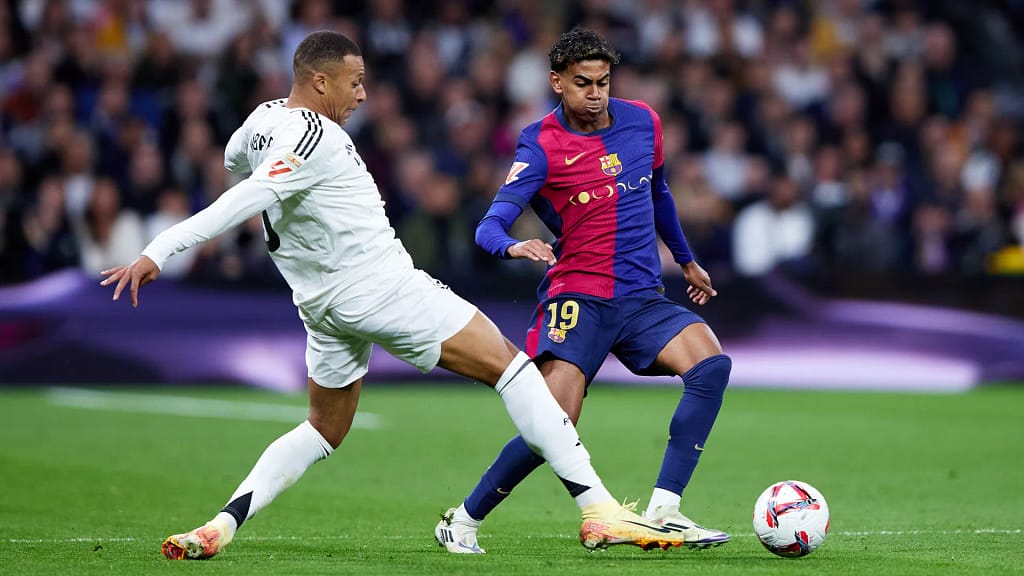
State-Backed Power Versus Historic Royalty
Off the pitch, the modern era has birthed a new archetype of rivalry based on financial architecture. The influx of sovereign wealth and billionaire ownership groups has disrupted the traditional hierarchy of European football. This has created a natural friction between the sport’s “old money” aristocracy—clubs that built their wealth over decades of historical dominance—and the “new money” disruptors armed with near-limitless resources.
This dynamic frequently plays out in the latter stages of European competitions. The traditional giants view themselves as the rightful heirs to the sport’s most prestigious trophies, relying on their immense global heritage. Conversely, the newly wealthy institutions are eager to legitimize their massive financial investments by dismantling the old guard. The annual financial reports, such as those detailed in the Deloitte Football Money League, highlight this power struggle, turning balance sheets into a point of competitive friction.
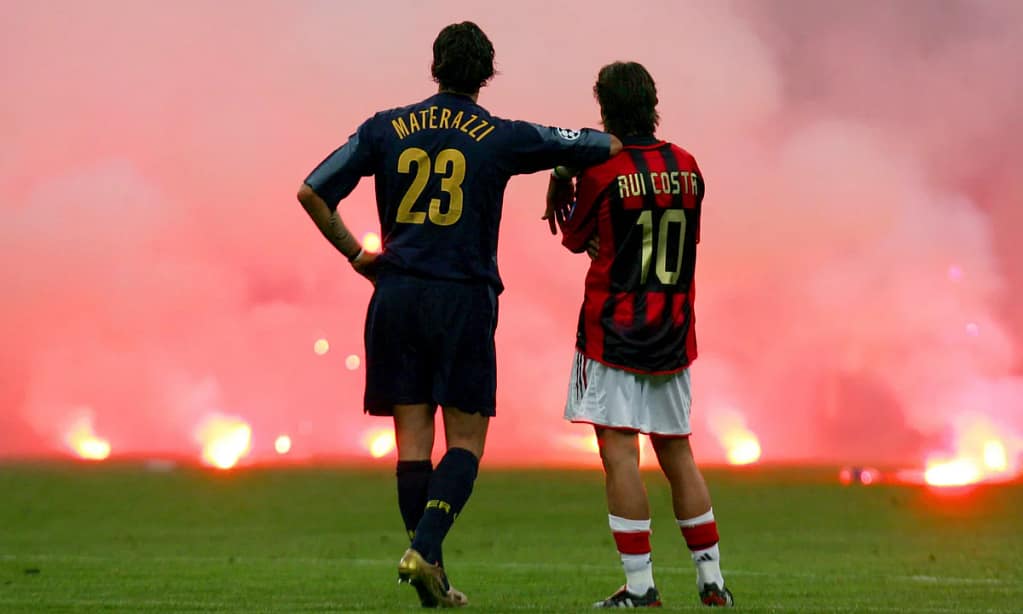
The Archetypes of Modern Football Rivalries
| Rivalry Archetype | Defining Characteristic | Classic Example | Modern Equivalent |
| The Geographic Derby | Shared city or region; deeply historical | AC Milan vs. Inter Milan | Arsenal vs. Tottenham |
| The Tactical Duel | Clashing playstyles and managerial philosophies | Barcelona vs. Real Madrid (Guardiola/Mourinho era) | Man City vs. Liverpool |
| The Financial Clash | State-backed wealth vs. traditional establishment | Chelsea vs. Man Utd (mid-2000s) | PSG vs. Bayern Munich |
| The Global Super-Rivalry | Driven by international TV rights and global fanbases | Manchester United vs. Arsenal (1990s) | Real Madrid vs. Manchester City |
The Role of Digital Globalization
The final catalyst in reshaping football rivalries is the global broadcast market and the internet. A century ago, a rivalry belonged to the match-going fans in the stadium. Today, a major clash is a global television event broadcast to billions. Social media algorithms thrive on tribalism, amplifying the tension and allowing fans from different continents to engage in the hostility in real-time.
This global audience demands spectacle. When two elite teams meet, the pressure is immense because the entire world is watching, analyzing, and reacting. The modern football rivalry is therefore less about conquering a city and entirely about capturing the attention of the globe. Geographic proximity may have started the fire, but modern tactics, immense wealth, and digital globalization are what keep it burning.