
Italy’s World Cup crisis is no longer a single bad campaign, a cursed playoff, or a strange statistical accident. It has become a pattern. A country with four World Cup titles, a coaching school that shaped modern defending, and clubs that still produce Champions League-level tactical sophistication has now turned international football into a recurring identity test.
The easy explanation is to blame finishing, nerves, or unlucky draws. Italy has had plenty of those. But the deeper issue is harder to repair: the Azzurri have not built a clear modern tactical identity that travels reliably from squad list to qualification pressure.
That does not mean Italy lacks talent. Gianluigi Donnarumma remains one of Europe’s most experienced goalkeepers. Alessandro Bastoni gives the defense elite left-footed buildup quality. Nicolò Barella still brings intensity, pressing range, and midfield timing. Federico Dimarco, Federico Chiesa, Sandro Tonali, Davide Frattesi, and Moise Kean all offer useful tools when placed in the right structure.
The problem is not the parts. It is the machine.
Italy’s Crisis Is Bigger Than One Manager
Luciano Spalletti’s exit after the 2026 qualifying damage against Norway made sense emotionally. Italy’s 3-0 defeat in Oslo was not just a poor result; it looked like a team being exposed in the exact zones where modern tournament football is most ruthless: transitions, defensive spacing, and attacking speed.
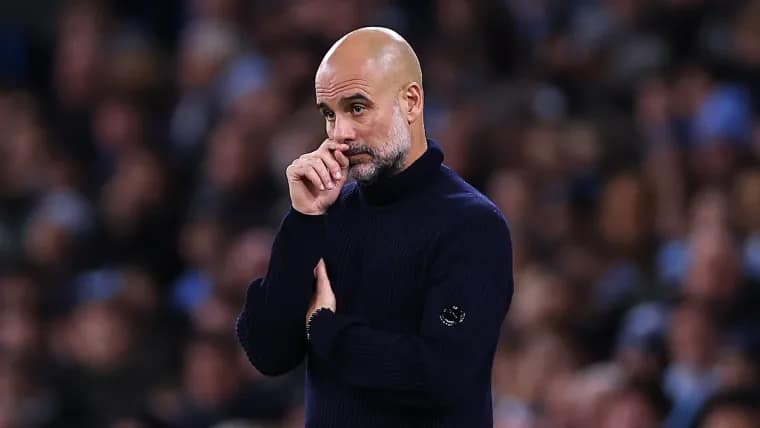
But Italy’s problem did not begin with Spalletti, and it was not solved simply by replacing him with Gennaro Gattuso. The Azzurri missed the 2018 World Cup after losing a playoff to Sweden, missed the 2022 World Cup after the North Macedonia shock, and then entered the 2026 cycle with the pressure of history pressing on every touch.
That is how tactical problems become psychological problems. Every slow buildup feels heavier. Every missed chance feels like an omen. Every opponent counterattack carries the weight of old failures.
Italy’s national team has moved through different coaching ideas without landing on a durable international identity. Roberto Mancini briefly solved it at Euro 2020 by creating a side that pressed higher, passed with confidence, and used wide rotations through Leonardo Spinazzola, Lorenzo Insigne, Nicolò Barella, Jorginho, and Marco Verratti. That team had rhythm. It had courage. Most importantly, it had clarity.
The post-Euro version has not consistently found the same map.
The Azzurri Still Have Players, But Not A Stable Game Model
Italy can still produce excellent footballers. The issue is that international football punishes teams that do not know exactly what kind of game they want to create.
Are Italy trying to dominate possession through midfield circulation? Are they trying to press aggressively and win the ball high? Are they trying to defend deeper and attack through Chiesa-style transition runs? Are they trying to use wing-backs as primary chance creators? The answer has shifted too often.
A national team does not need to be tactically complex to succeed. It needs to be coherent. Spain’s best sides have clear positional principles. France often build around elite transition power and defensive security. Argentina under Lionel Scaloni became flexible without losing emotional and structural balance. Italy, too often, have looked like a team carrying several half-ideas at once.
The question is not whether Italy should copy another country. The question is whether they can rebuild their own modern language.
| Tactical Area | Italy’s Historic Strength | Recent Problem |
|---|---|---|
| Defensive structure | Compact lines, elite center-backs, box protection | Vulnerable transitions when full-backs push high |
| Midfield control | Intelligent tempo setters and ball winners | Lack of consistent progression under pressure |
| Attacking identity | Wide combinations, clever movement, set-piece threat | Unclear chance creation against low blocks |
| Tournament management | Emotional discipline and knockout-game patience | Qualification anxiety turns control into caution |
Italy’s past was built on control. Their present often looks like a search for control.
Why Norway Exposed More Than A Bad Night
The Norway defeat mattered because it revealed a modern football problem, not just a scoreboard problem. Italy had long spells where they could circulate possession, but Norway’s directness and athletic timing hurt them when the game opened.
That is the new international test. Possession without protection is not control. Passing without penetration is not dominance. Territory without rest defense is not safety.
When Italy lose the ball, the structure behind the ball must already be prepared. If the midfield is stretched, the center-backs are exposed. If the full-backs are high without cover, the opponent’s first forward pass becomes dangerous. If pressing pressure arrives one second late, an elite runner can turn a defensive shape into a footrace.
This is why Italy’s crisis is tactical at its core. It is not enough to have defenders who can defend. The entire team must defend the next phase before it happens.
For a football culture that once taught the world the value of spacing without the ball, that is a painful reversal.
The Guardiola Debate Shows The Real Question
The recent discussion around Pep Guardiola and Italy is fascinating because it is not really about one coach. It is about what kind of reset the Azzurri believe they need.
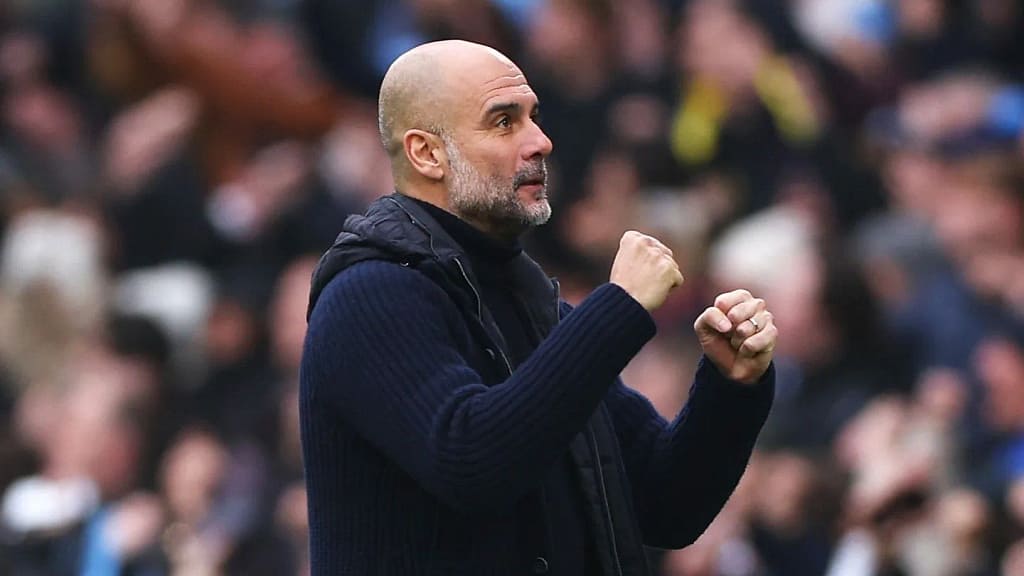
Leonardo Bonucci has publicly backed the idea of Guardiola as a radical figure who could help reshape Italy’s football identity. Fabio Capello, meanwhile, has warned that national-team coaching is different from club coaching, where a manager has daily training time, transfer-market influence, and months to rehearse positional details. That tension sits at the heart of the Guardiola Italy coaching debate.
Guardiola would represent the dream of a clean tactical revolution: positional play, high technical standards, collective spacing, and a clear possession structure. But Italy’s problem is not solved by importing a famous idea. The national team needs principles that can survive limited training camps, player-pool compromises, and qualification games where the opponent has no interest in letting Italy build beautifully.
The right coach, whether Guardiola or someone else, must answer practical questions:
How does Italy create chances without becoming vulnerable to counters?
How does the midfield progress the ball when opponents press man-to-man?
How does the team use Bastoni’s passing without leaving huge spaces behind Dimarco or the opposite full-back?
How does Italy combine Chiesa’s directness with a possession structure that does not become slow?
Those questions matter more than the name on the bench.
Italy’s Club Game Is Not Translating Cleanly
One of the strangest parts of Italy’s crisis is that Serie A remains tactically rich. Inter have reached major European finals under Simone Inzaghi with a sophisticated back-three system. Atalanta under Gian Piero Gasperini have been one of Europe’s great tactical laboratories. Napoli’s title-winning football under Spalletti showed how aggressive pressing, wide rotations, and vertical passing could coexist. Italian coaches continue to influence the game across Europe.
Yet the national team has struggled to convert that club-level intelligence into a consistent international model.
Part of the issue is fragmentation. Italy’s best players come from different systems with different habits. Bastoni is comfortable stepping out from a back three. Barella thrives in a high-energy Inter structure. Dimarco is devastating when used as a wing-back with rotations around him. Chiesa has often been most dangerous attacking space directly. Donnarumma’s club environment has required different buildup choices than the national team.
A national coach cannot simply gather those habits and hope they blend naturally. He has to choose what Italy are.
The teams that dominate World Cup cycles rarely look tactically accidental. They may have stars, but they also have a shared rhythm. As we have explained in our look at football records clubs chase, lasting football achievement usually comes from repeatable patterns, not isolated moments. International football is no different.
The Striker Debate Is Really A Chance-Creation Debate
Italy’s center-forward issue gets plenty of attention, and understandably so. The Azzurri have searched for a reliable tournament-level No. 9 since the days when Christian Vieri, Luca Toni, Francesco Totti, Alessandro Del Piero, and later Mario Balotelli gave Italy different attacking reference points.
But the striker debate can become misleading. A forward can only finish the chances a structure creates.
If Italy’s buildup is slow, the striker receives the ball with his back to goal and two defenders nearby. If the wide players are isolated, crosses arrive from poor angles. If midfield runners do not attack the box at the right time, defenders can focus entirely on the center-forward. If the team cannot create cutbacks, the striker lives on scraps.
Moise Kean, Mateo Retegui, Giacomo Raspadori, or any other option will look limited if Italy’s attacking structure lacks speed and variety. The national conversation often asks, “Who should score the goals?” The more useful question is, “What kind of chances does Italy reliably create?”
Modern international football rewards teams that can score in different ways: pressing turnovers, set pieces, cutbacks, counters, overloads, and second balls. Italy have too often looked dependent on one route working perfectly.
What A Modern Italy Identity Should Look Like
Italy do not need to abandon their history. They need to modernize its best parts.
The great Italian teams were not defensive because they lacked ambition. They were defensive because they understood control. They knew how to close spaces, manage emotional temperature, and turn opponents’ impatience into opportunity. That can still work in modern football, but only if paired with faster attacking patterns and cleaner rest defense.
A modern Italy should probably be built on three ideas: secure buildup, aggressive but selective pressing, and direct attacking support once the first line is broken. That would allow Italy to protect their defenders, use Barella’s intensity, benefit from Bastoni’s passing, and give wide players better attacking situations.
The solution is not to become Spain, France, or Argentina. It is to become a clearer version of Italy.
The Azzurri need a tactical identity that tells every player where the next pass, next press, and next defensive cover should come from before pressure arrives.
The Real Rebuild Starts Before The Next Tournament
Italy’s World Cup crisis hurts because the shirt still carries enormous memory. Four stars sit above the badge. The 2006 triumph remains part of modern football mythology. The Euro 2020 win proved the national team can still produce beauty, courage, and tournament intelligence when the structure is right.
But nostalgia cannot qualify a team.
Italy’s next rebuild has to be tactical before it becomes emotional. It must define how the team progresses the ball, how it protects transitions, how it creates central chances, and how it turns Serie A’s club-level intelligence into a national-team language. Coaching charisma can help. Player pride can help. A famous appointment can create momentum.
None of it matters without clarity.
Italy’s crisis is not that the country forgot how to produce footballers. It is that the national team has stopped making those footballers look like they are playing the same future. Until that changes, the Azzurri’s World Cup problem will keep looking less like bad luck and more like a tactical identity warning written in blue.